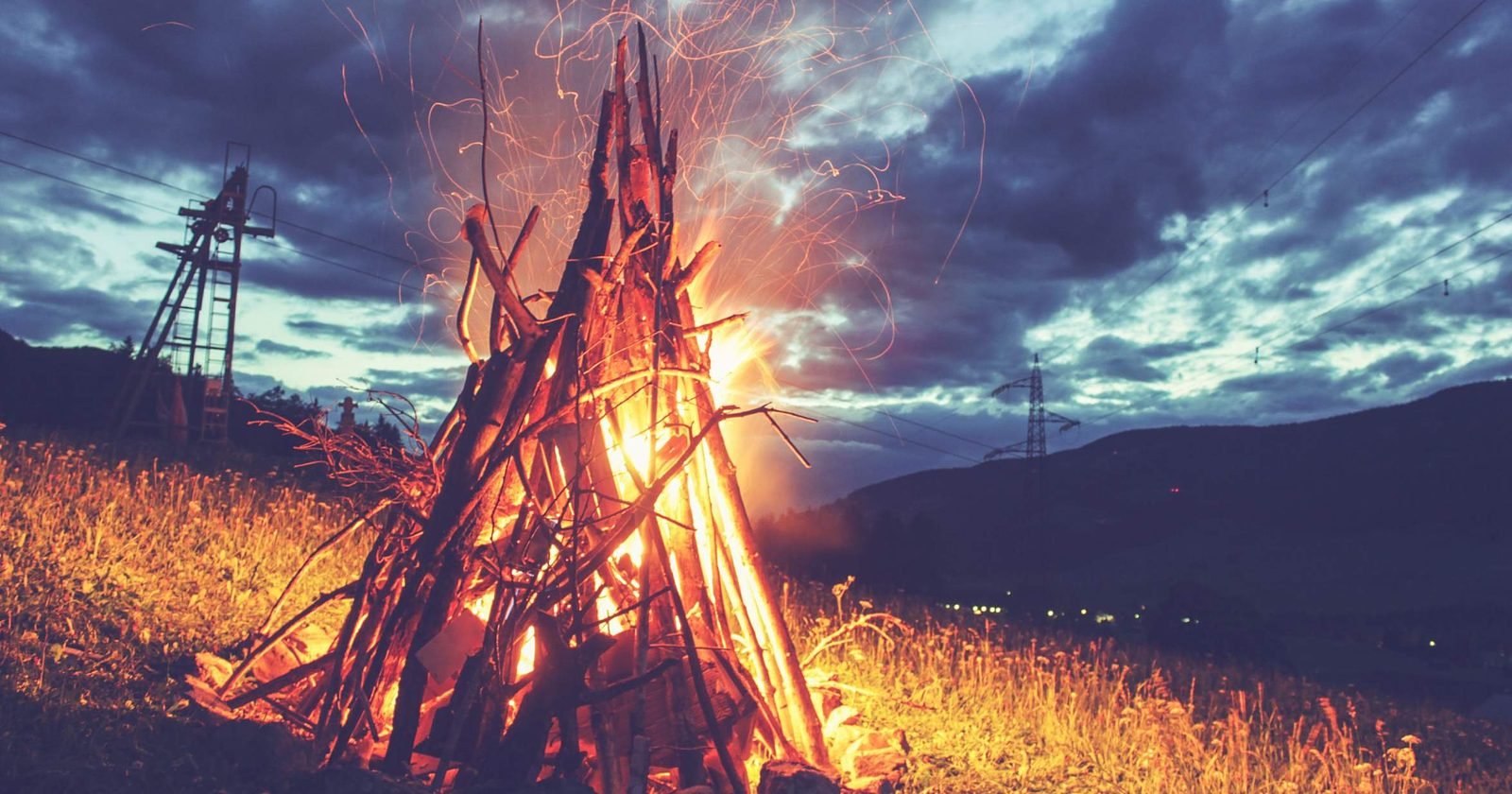
Samhain: the Celtic New Year across the Celtic lands
Samhain is the night the harvest ends and winter begins. In Ireland it is Samhain. Scotland calls it Oidhche Shamhna, Wales Nos Galan Gaeaf, the Isle of Man Hop-tu-Naa, Cornwall Allantide and Brittany Kalan Goañv. It is a night of bonfires, turnip lanterns and visiting spirits, and one of the deepest roots of the Halloween the whole world knows today.
Here is what Samhain means, where it came from, how each Celtic land keeps it, and how you can mark it at home.
Samhain at a glance
- Say it: SOW-in
- When: sunset on 31 October to sunset on 1 November
- What it marks: the end of the harvest and the first day of winter
- The old belief: the wall between our world and the Otherworld grows thin, so the dead and the fairy folk walk among the living
- What it gave us: Halloween
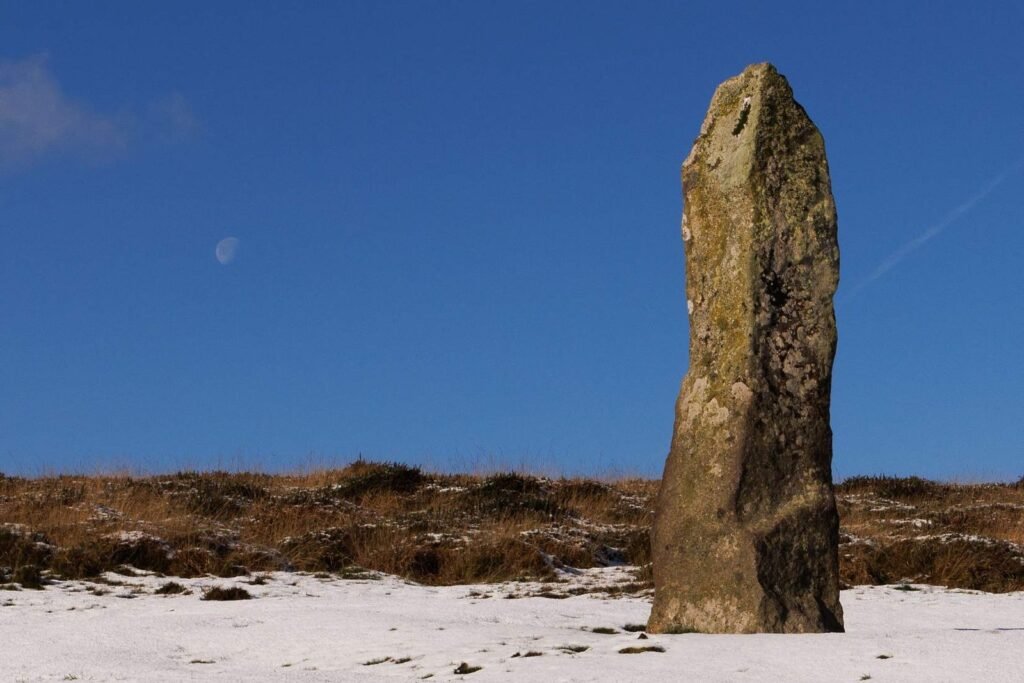
What is Samhain?
Samhain is one of the four great festivals of the old Gaelic year. The others are Imbolc (1 February), Bealtaine (1 May) and Lughnasa (1 August). Samhain came when the harvest was in, the cattle came down from the summer hills, and animals were killed for winter meat.
The Celts counted each day from sunset, not sunrise. That is why the festival starts on the evening of 31 October.
Old Irish stories place great gatherings at Samhain: feasts, fairs and royal meetings. On Tlachtga, the Hill of Ward in County Meath, a great fire was said to be lit. The 17th-century historian Geoffrey Keating wrote that every other fire in Ireland was put out and lit again from it. Archaeologists have found that people used the hill from the Bronze Age until about AD 500. At Tara, also in Meath, the sunrise on Samhain morning shines into the Mound of the Hostages, a tomb about 5,000 years old.
Above all, Samhain was a night between worlds. People believed the aos sí, the fairy folk, were out and about and had to be kept happy, or people and animals might not survive the winter. The souls of the dead came home looking for a warm fire and a meal. So families left food out, wore disguises to hide from the spirits, and lit fires to keep harm away.
Where does the name come from?
The old explanation is “summer’s end”. Some language experts now link it to an old Celtic word meaning “gathering”, which fits the great meetings held at Samhain. A bronze calendar found at Coligny in France, made in Gaul in the 2nd century AD, has a month called SAMON and marks “the three nights of Samon”.
Is Samhain the Celtic New Year?
It is often called that. Around 1900, scholars such as the Welsh professor Sir John Rhŷs and James Frazer made the idea popular, and the Isle of Man’s tourist board still calls Hop-tu-Naa the start of the Celtic New Year. Modern historians such as Ronald Hutton say the old evidence is thin. What is certain is that Samhain was the great turning point of the year: the light half ended and the dark half began.
One night, many names
Every Celtic land has its own name for the night, and its own ways of keeping it.
Ireland: Samhain
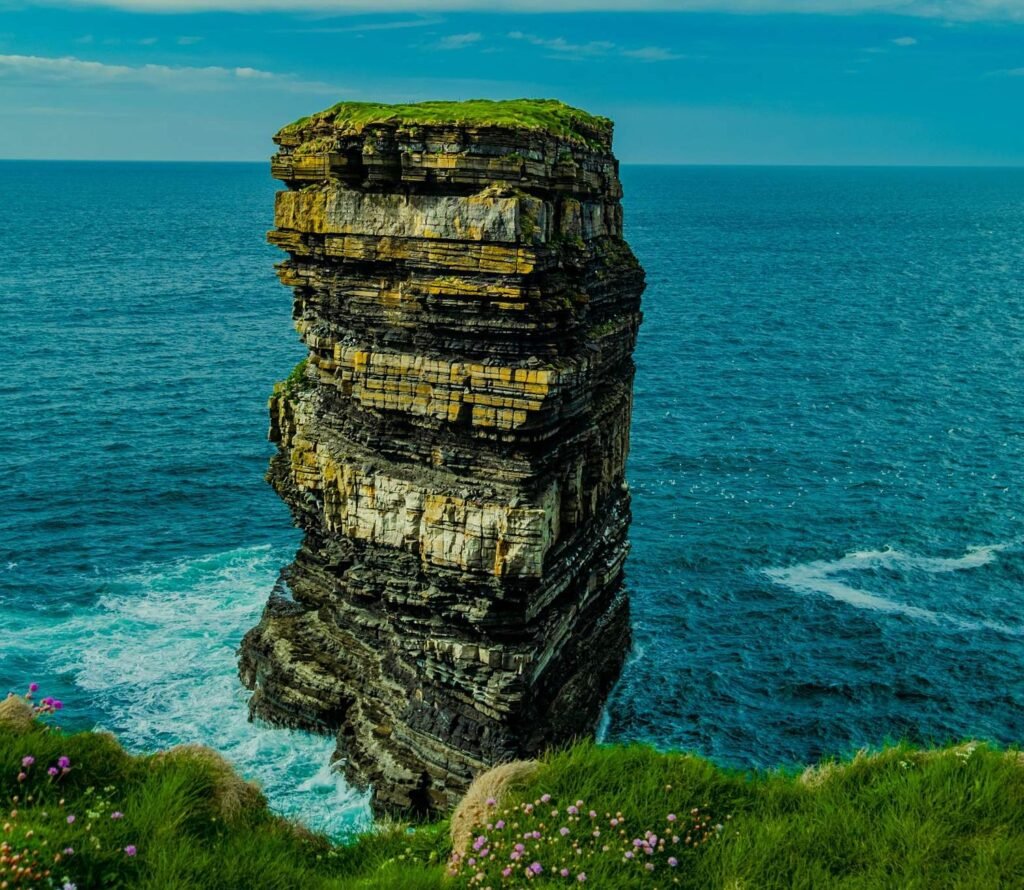
In Irish, Samhain is also the word for November, and Halloween is Oíche Shamhna, “Samhain night”.
- Barmbrack: a fruit loaf with a ring baked inside. Find the ring and you will marry within the year.
- Snap-apple: try to bite an apple hanging on a string, with your hands behind your back.
- Turnip lanterns: carved faces lit by a candle. An Irish folk tale tells of Stingy Jack, who tricked the Devil and was left to wander the dark with a coal inside a hollow turnip. That is where the name jack-o’-lantern comes from.
- Blackberries: don’t eat them after Samhain. Folk belief said the púca, a shape-shifting spirit, spoiled them that night. Some said the Devil spat on them instead.
Today Ireland calls itself the home of Halloween. The Púca Festival lights up Athboy, beside the Hill of Ward, and nearby Trim. Derry~Londonderry has thrown one of Europe’s biggest Halloween parties for decades.
Scotland: Oidhche Shamhna
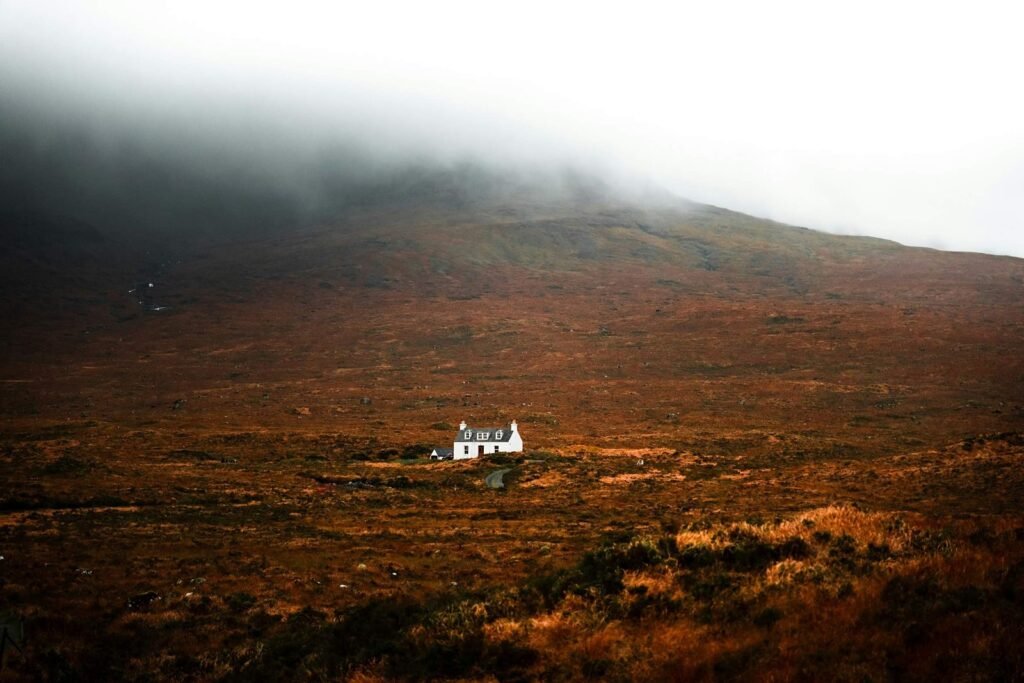
In Scottish Gaelic the night is Oidhche Shamhna. You may also see the older spellings Samhuinn and Samhainn.
- Guising: children dress up and go from door to door. Unlike trick-or-treating, a guiser must earn the treat with a song, a joke or a poem.
- Neep lanterns: turnips hollowed out and carved, long before pumpkins arrived.
- Dookin’ for apples: catching apples floating in a tub of water, with no hands.
- Love charms: a couple put two nuts on the fire. If they burned quietly side by side, the marriage would be happy. Young people pulled up kale stalks with their eyes shut, and the stalk’s shape showed the shape of a future partner. Robert Burns wrote these customs into his poem Halloween in 1785.
In Edinburgh, the Beltane Fire Society’s Samhuinn Fire Festival acts out the battle between Summer and Winter each year, with drums, fire and the Cailleach, the old woman of winter.
Wales: Nos Galan Gaeaf
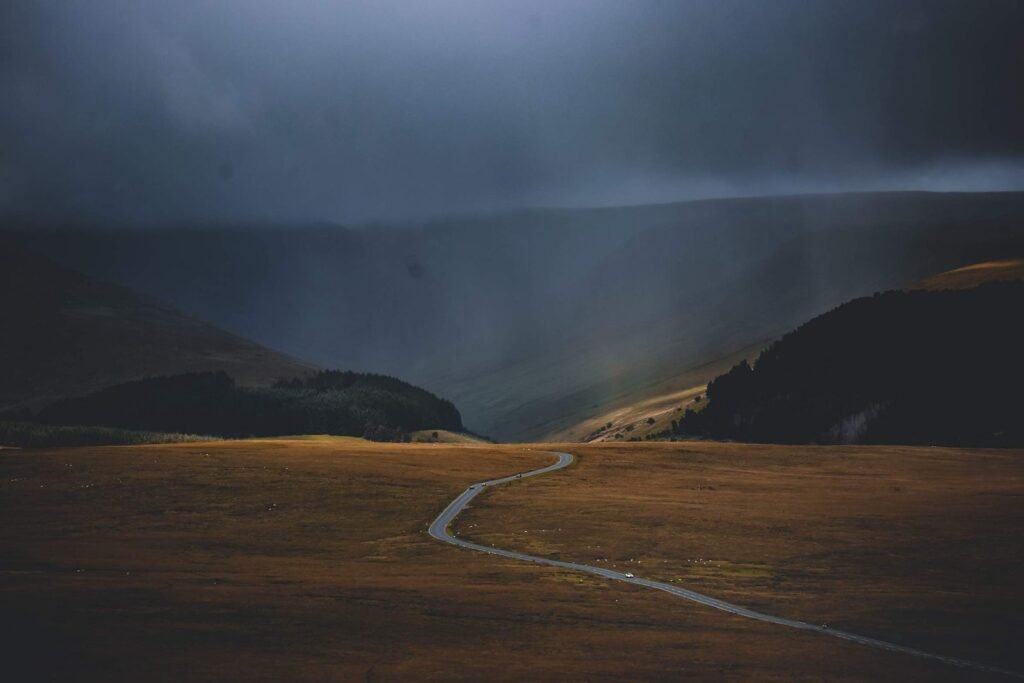
In Wales, 1 November is Calan Gaeaf, the first day of winter, and the night before is Nos Galan Gaeaf. It is an ysbrydnos, a “spirit night”, when ghosts were said to appear on every stile at midnight.
- The bonfire: villages lit a great bonfire, a coelcerth. Everyone marked a stone and threw it into the fire. If your stone was missing in the morning, you would not live out the year.
- The race home: when the fire died down, everyone ran home, because the Hwch Ddu Gwta, a tailless black sow, came with a headless lady to catch the last one. Children shouted: “Adref, adref, am y cyntaf, Hwch Ddu Gwta a gipio’r olaf!” (“Home, home, race to be first, the tailless black sow will snatch the last!”)
- Twco fala: apple bobbing, plus a riskier game of biting an apple hung next to a lit candle.
- Stwmp naw rhyw: in Montgomeryshire, a mash of nine ingredients with a wedding ring hidden in the middle. Whoever found it would soon marry.
- Seeing the future: girls peeled an apple in one long strip and threw the peel over their shoulder. Its shape showed the first letter of a future husband’s name.
Isle of Man: Hop-tu-Naa
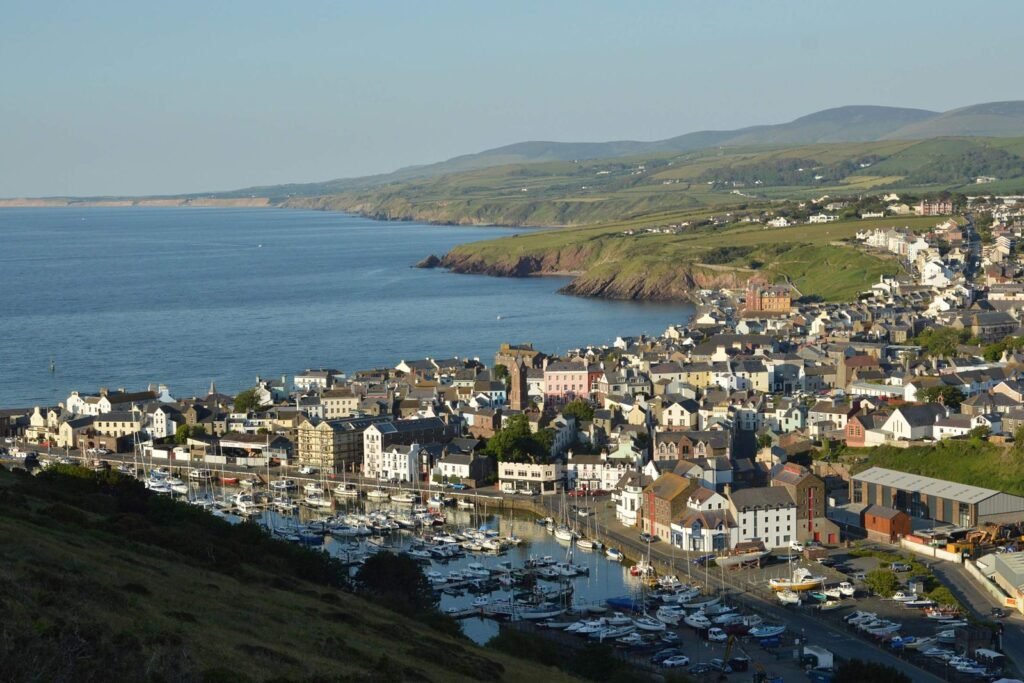
On the Isle of Man, 31 October is Hop-tu-Naa. The night is also called Oie Houney, the Manx form of the Irish Oíche Shamhna, and the name Hop-tu-Naa may come from the Manx Shoh ta’n Oie, “this is the night”.
- Moots: children carve turnips, which the Manx call moots, and go from house to house singing Hop-tu-Naa songs. In the past they were given bonnag (Manx bread), herring or potatoes instead of sweets.
- Jinny the Witch: a favourite song, said to be based on Joney Lowney, who was tried for witchcraft at Bishop’s Court in 1715 and 1716.
- The dumb cake: young women baked the soddag valloo, a cake made and eaten in total silence, hoping it would show them a future husband.
Cornwall: Allantide (Kalan Gwav)
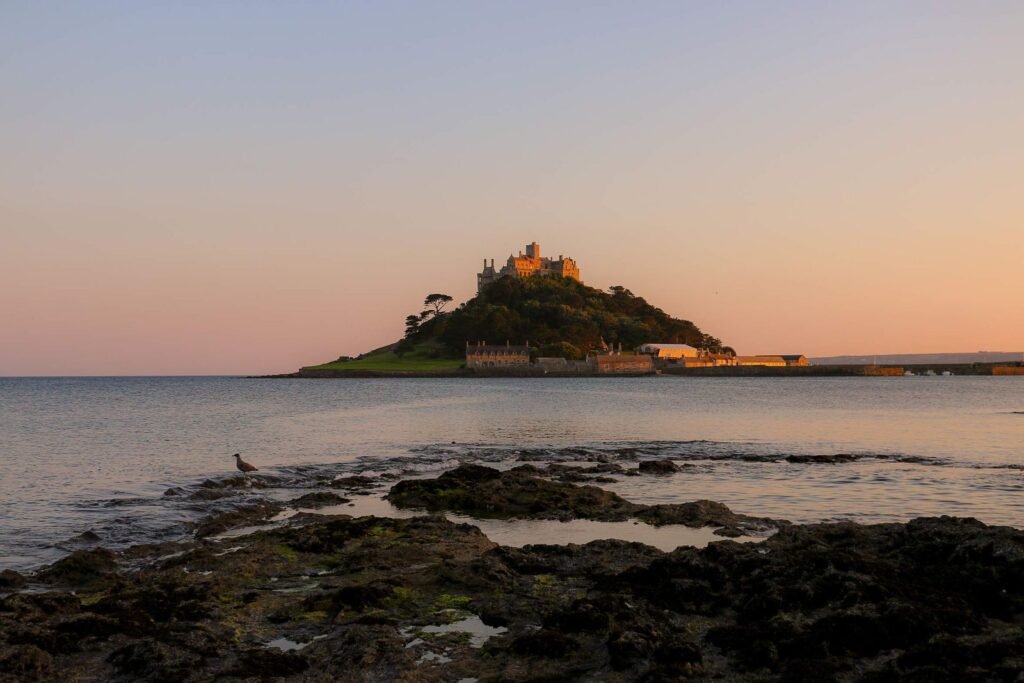
In Cornish, 1 November is Kalan Gwav, the first day of winter, and the night before is Nos Kalan Gwav. The English name, Allantide, is linked to St Allan, a 6th-century bishop of Quimper in Brittany, one of many old links between Cornwall and Brittany.
- Allan apples: big, polished red apples given as good-luck gifts. In Penzance every member of the family got one, and St Ives held an “Allan Market” to sell them.
- Under the pillow: girls slept with an Allan apple under the pillow, hoping to dream of the person they would marry.
- Fortunes and bells: families burned walnuts and dropped melted lead into water to read the future, while church bells rang for the souls of the dead.
Brittany: Kalan Goañv
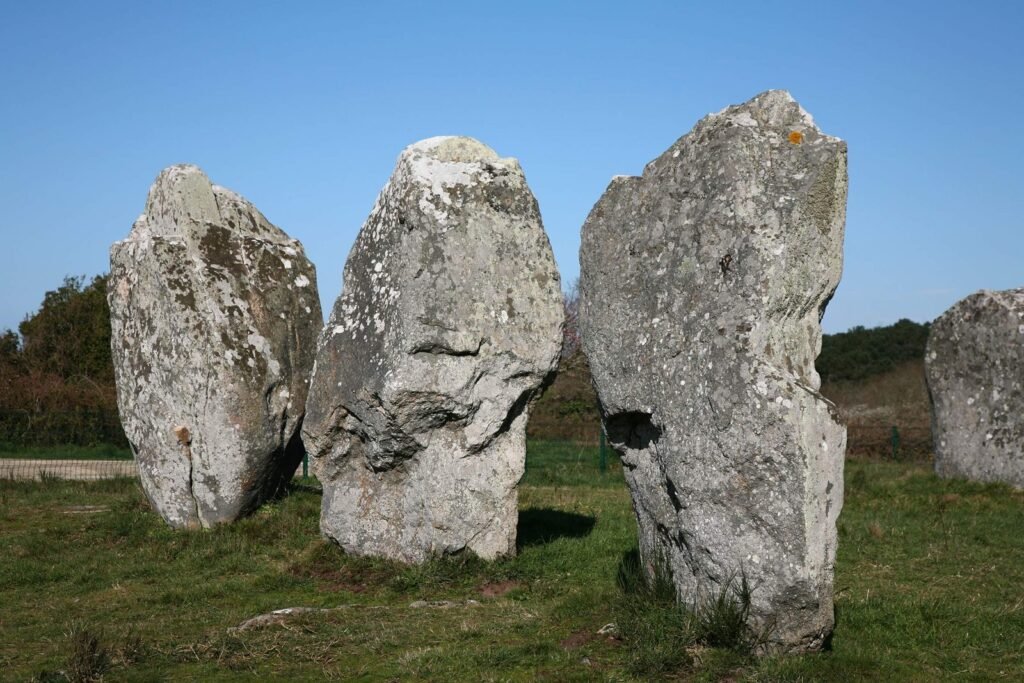
In Breton, 1 November is Kalan Goañv, the first day of winter. The night that follows is Noz an Anaon, the night of the souls, when the dead come home.
- A meal for the dead: after church, families covered the kitchen table with a white cloth and left crêpes, curds and cider for the dead to feast on through the night.
- The log of the souls: a big log, kef an Anaon, was left burning so the dead could warm themselves.
- Singers of the dead: groups walked the streets at night singing a slow, sad song to remind the living to pray for the souls.
- Lanterns: children carved beetroot and turnips and set candles inside.
England: the Brittonic roots
Before the Anglo-Saxons came, the people of what is now England spoke Brittonic, the language that grew into Welsh, Cornish and Breton. Old winter-night customs still glow here too.
- Punkie Night: on the last Thursday of October in Hinton St George, Somerset, children carry lanterns carved from mangelwurzels, a large beet. The story goes that the village women made them to fetch their men home, drunk, from Chiselborough fair.
- Souling: in Cheshire, Shropshire and Staffordshire, children and the poor went door to door for soul cakes, small spiced cakes marked with a cross, and prayed for the givers’ dead in return. Many see this as one root of trick-or-treating. In Cheshire, the Antrobus Soulcakers still perform their old play in local pubs from 31 October.
- Nutcrack Night: an old name for Halloween in northern England and Scotland, when nuts were thrown on the fire to see if a love would last.
From Samhain to Halloween
By about the year 800, churches in Ireland were already keeping a feast for all the saints on 1 November. The rest of Western Europe followed, and 2 November became All Souls’ Day, for the dead. The night before All Saints was All Hallows’ Eve, which we now call Halloween.
Old and new beliefs mixed together. In the 1800s, Irish and Scottish emigrants carried guising and turnip lanterns to North America. There, pumpkins were bigger and easier to carve, guising turned into trick-or-treating, and Halloween sailed back across the Atlantic as the festival we know today.
How to celebrate Samhain at home
You don’t need to be pagan, or even Celtic, to mark the turning of the year. Try a few of these:
- Light a candle for someone you have lost, as Breton families did to guide the souls home.
- Carve a turnip lantern. Use a small swede and a strong metal spoon, and let an adult do the knife work. It is harder than a pumpkin, and far more traditional.
- Bake a barmbrack and hide a ring wrapped in baking paper inside. Warn everyone before they bite.
- Play the old games: dook for apples, try snap-apple, or put two nuts on the fire and watch what they do.
- Set a place for the dead with a plate of food, as the Bretons did with crêpes and cider.
- Tell ghost stories by the fire. In Wales, end with the Hwch Ddu Gwta, then race to be first to bed.
- Walk out at dusk to a hill, a standing stone or the sea, and watch the old year end.
Samhain questions
How do you pronounce Samhain?
SOW-in. “Sow” rhymes with “cow”, like the Welsh black sow.
When is Samhain?
From sunset on 31 October to sunset on 1 November. Some modern pagans mark it at the halfway point between the autumn equinox and the winter solstice, around 7 November.
Is Samhain the same as Halloween?
Not quite. Halloween is the Christian All Hallows’ Eve, but many of its customs, like guising, lanterns and the visiting dead, come from Samhain.
What is Samhain called in Welsh?
The first day of winter, 1 November, is Calan Gaeaf. The night before, 31 October, is Nos Galan Gaeaf.
What is Halloween in Irish, Scottish Gaelic and Manx?
Oíche Shamhna in Irish, Oidhche Shamhna in Scottish Gaelic, and Oie Houney in Manx.
Is Samhain the Celtic New Year?
It is often called that, but historians say the old evidence is thin. It certainly marked the start of winter and the dark half of the year.
Further reading
- Welsh Halloween traditions, from Amgueddfa Cymru – Museum Wales
- Hop-tu-Naa facts, from Visit Isle of Man
- The history of guising, from National Records of Scotland
- Blackberries and the púca, from RTÉ Brainstorm
- The Samhuinn Fire Festival, from the Beltane Fire Society
Celtland is the new home of the whole Celtic world: its festivals, stories, makers and gifts. Celtland opens this November. Follow @celtlandhq on Instagram, TikTok, Facebook, YouTube, Pinterest and X, or email hello@celtland.com to hear first when we open.
Photos: Pexels.